

That dull ache at the back of your neck after a long day at the desk. The stiffness you feel first thing every morning, before your spine loosens up. The occasional shooting pain that travels from your neck down into your shoulder. If any of these feel familiar, spondylosis may be the underlying reason.
Spondylosis is one of the most common spinal conditions in India, affecting people across a wide age range and increasingly striking individuals in their 30s and 40s due to sedentary work habits and prolonged screen use. If you have been looking for answers and sustainable relief, connecting with top homeopathy doctors in Hyderabad who specialise in spinal and musculoskeletal conditions is a meaningful first step toward understanding and managing this condition properly.
This guide covers what spondylosis is, its different forms, the causes and symptoms to watch for, when to seek professional care, and how homeopathy approaches this condition from the inside out.
What is Spondylosis?
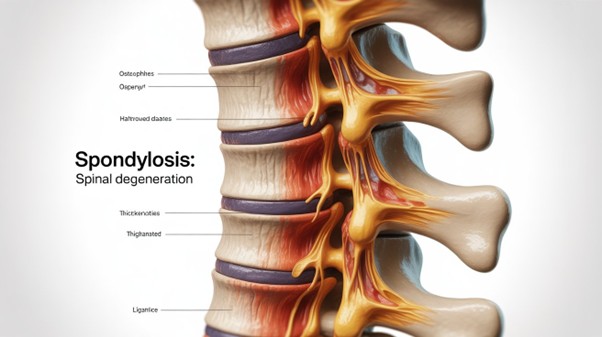
Construction workers, agricultural labourers, and long-haul drivers represent some of the highest-risk occupational groups in India for early spinal degeneration.
Other Contributing Factors
• Genetic predisposition: A family history of early disc disease increases individual susceptibility.
• Obesity: Excess body weight adds consistent mechanical load to the lumbar spine, accelerating disc and joint wear.
• Smoking: Nicotine reduces blood supply to intervertebral discs, accelerating their degeneration.
• Nutritional deficiencies: Low levels of calcium, vitamin D, and vitamin B12 are associated with accelerated spinal bone and nerve deterioration.
Recognising the Symptoms of Spondylosis
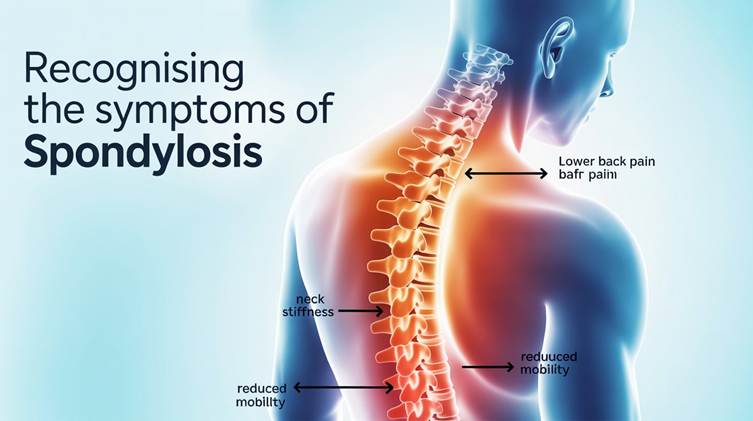
Symptoms of spondylosis vary depending on which part of the spine is affected and how advanced the degeneration is. Many people live with mild spondylosis for years without realising it, as the changes on imaging do not always produce proportionate symptoms. When symptoms do appear, they typically follow recognisable patterns.
Cervical Spondylosis Symptoms
• Neck pain and stiffness: Often worse in the morning or after prolonged sitting, and may improve with gentle movement.
• Headaches: Typically starting at the base of the skull and moving forward, often described as tension-type headaches.
• Tingling or numbness in arms and hands: Caused by nerve compression in the cervical spine, sometimes accompanied by weakness in the grip.
• Shoulder pain: Pain may radiate from the neck into one or both shoulders, occasionally down the arm.
• Dizziness or vertigo: Some patients experience episodes of dizziness, particularly when turning the head, due to compression of blood vessels or nerves near the upper cervical spine.
Lumbar Spondylosis Symptoms
• Lower back pain: A persistent dull ache in the lower back that worsens with prolonged sitting or bending and improves slightly with walking.
• Radiating leg pain (sciatica): Pain, numbness, or tingling that travels from the lower back down through the buttock and into the leg, often on one side.
• Morning stiffness: Significant stiffness in the lower back lasting 30 to 60 minutes after waking, which loosens gradually with movement.
• Muscle weakness: In more advanced cases, nerve compression may cause noticeable weakness in the legs or difficulty with prolonged standing.
If you notice any of these symptoms persisting for more than a few weeks, a proper evaluation is important. The pattern of symptoms, combined with imaging like X-ray or MRI, helps establish the extent of degeneration and guide the most appropriate treatment approach.
Why Homeopathy Is an Effective Approach for Spondylosis

Conventional management of spondylosis typically involves pain relievers, muscle relaxants, anti-inflammatory drugs, physiotherapy, and in severe cases, surgery. While these approaches manage symptoms, they do not address the underlying constitution of the individual or slow the degenerative process at a deeper level.
Homeopathy approaches spondylosis differently. Instead of suppressing pain signals, it works by stimulating the body’s own healing response, reducing inflammation, relieving nerve irritation, and supporting the structural health of spinal tissues over time. The treatment is always individualised, meaning the remedy selected depends not just on the diagnosis but on the specific symptom pattern, constitution, and health history of each patient.
This is one of the central reasons why top homeopathy doctors in Hyderabad treating spondylosis patients take a detailed case history that extends well beyond spinal symptoms, looking at sleep patterns, emotional state, dietary habits, past illnesses, and even the specific modalities that make symptoms better or worse.
Key Benefits of Homeopathic Treatment for Spondylosis
• No dependency or side effects: Homeopathic medicines are non-toxic and do not cause gastrointestinal damage, kidney strain, or dependency risks associated with long-term NSAID or steroid use.
• Addresses root cause: Rather than only relieving pain, homeopathy aims to slow further degeneration and improve the overall functional integrity of the spine.
• Treats the whole person: Emotional stress, anxiety, and constitutional weaknesses that contribute to poor healing are addressed alongside physical symptoms.
• Safe for long-term use: Spondylosis is a chronic condition. Homeopathy is particularly suited to chronic conditions where sustained treatment over months is needed without safety concerns.
• Works well alongside physiotherapy: Homeopathic treatment complements physiotherapy and postural correction, often enhancing their effectiveness.
Commonly Used Homeopathic Medicines for Spondylosis
Homeopathic remedy selection is always based on the individual symptom picture, not the diagnosis alone. The following medicines are among those most frequently indicated in spondylosis cases, but the right remedy for any individual must be determined by a qualified practitioner through proper case evaluation.
Rhus Toxicodendron
One of the most widely used remedies for spinal conditions involving pain and stiffness that is worse on initial movement but improves once the person gets moving. Neck and lower back stiffness that is worse after rest, and relieved by continued motion or warm application, is a classic indicator for Rhus Tox. It is also strongly indicated when spondylosis follows injury or overuse of the spine.
Bryonia Alba
Where Rhus Tox suits pain that improves with movement, Bryonia is indicated when any movement at all worsens the pain. Patients needing Bryonia prefer to stay completely still, lie on the painful side, and apply firm pressure to the affected area. It is particularly useful in lumbar spondylosis with severe pain aggravated by even slight motion.
Kalmia Latifolia
This remedy is particularly suited to cervical spondylosis with sharp, shooting, or radiating pain that travels from the neck down into the shoulder, arm, or fingers. The pain often has a neuralgic character and may be accompanied by numbness or tingling. Kalmia works well when nerve involvement is a prominent feature of the clinical picture.
Calcarea Phosphorica
A key remedy for spondylosis associated with bone spur formation or bone degeneration. It suits patients whose spinal pain is associated with general weakness, easy fatigue, and a tendency toward slow tissue repair. It is frequently indicated in older patients or those with nutritional deficiencies, contributing to spinal deterioration.
Hypericum Perforatum
Particularly valuable when nerve pain is the dominant symptom, especially following spinal injury. Hypericum is one of the best homeopathic medicines for pain along nerve pathways, tingling, or hypersensitivity in the spine and limbs. It is frequently indicated in cases where nerve compression from disc changes produces marked radiating or shooting pain.
Conium Maculatum
Useful in cervical spondylosis where vertigo is a prominent accompanying symptom, especially vertigo that worsens on turning the head sideways or lying down. Conium also addresses the associated neck stiffness and is particularly indicated in older patients where progressive weakness accompanies the spinal complaint.
Lung Disease, Bronchitis, and the Holistic Approach in Homeopathy
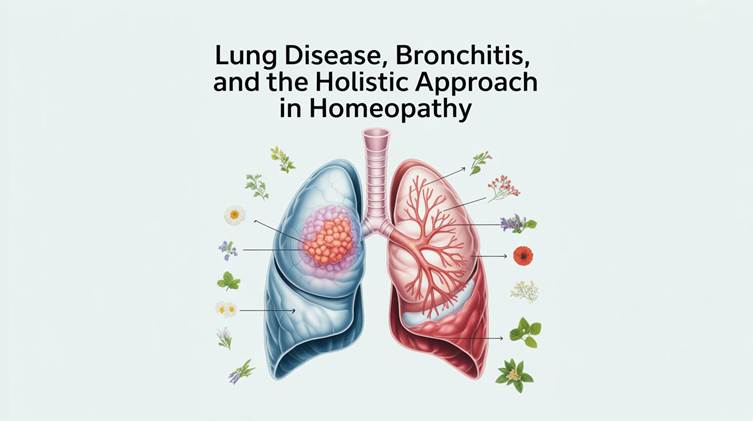
Many patients consulting a homeopathic doctor for lung disease in Hyderabad are surprised to learn how often respiratory symptoms and spinal complaints share underlying constitutional factors. Prolonged inflammation, immune dysregulation, and poor circulatory health can simultaneously drive spinal degeneration and respiratory vulnerability in some patients.
For patients dealing with both spondylosis and respiratory conditions such as chronic bronchitis, homeopathy’s constitutional approach is particularly valuable. The best bronchitis treatment doctor in Hyderabad working within a homeopathic framework will address both symptom sets through a single, coherent treatment plan that targets the patient’s underlying constitution rather than treating each condition in isolation.
This integrated view is one of the distinguishing features of high-quality homeopathic practice and one of the reasons patients with complex, multi-system chronic conditions often find homeopathy more satisfying than conventional approaches that address each complaint separately.
When to Seek Professional Homeopathic Consultation for Spondylosis
Not every case of neck or back pain requires specialist consultation. Acute muscle strain, for example, usually resolves within 1 to 2 weeks with rest and basic care. However, there are situations where seeking a qualified homeopathic evaluation is important rather than self-treating with over-the-counter options.
Consider seeking professional consultation if you experience any of the following:
• Pain or stiffness that has persisted for more than 3 to 4 weeks without improvement.
• Tingling, numbness, or weakness in the arms, hands, legs, or feet.
• Radiating pain that travels from the neck into the shoulder or arm, or from the lower back down the leg.
• Significant morning stiffness lasting more than 30 minutes.
• Dizziness or headaches that accompany neck pain.
• Difficulty performing daily activities like turning your head, walking, or maintaining normal grip strength.
• Symptoms that are progressively worsening despite conservative self-care.
At Art of Homeo, experienced homeopathic doctors take a thorough case history that goes well beyond the spinal symptoms alone, evaluating the full constitutional picture of each patient to select the most appropriate individualised remedy. This depth of evaluation is what separates results-oriented homeopathic practice from generic treatment approaches.
Online Homeopathic Consultation: Accessing Quality Care from Anywhere
For many patients, especially those managing chronic conditions like spondylosis, the ability to consult a qualified homeopath without travelling to a clinic is a significant practical advantage. If mobility is already compromised by pain and stiffness, the idea of commuting to a consultation is a real barrier.
Consulting the best online homeopathy doctor in Hyderabad allows patients to access the same depth of case evaluation, personalised remedy selection, and follow-up care that an in-person consultation provides, from the comfort of their home. For chronic conditions like spondylosis that require treatment over several months, the convenience of online follow-up appointments is particularly valuable for maintaining consistency.
What to Expect from an Online Homeopathic Consultation for Spondylosis
• Detailed intake: A thorough written or video-based case history covering your spinal symptoms, their character, what makes them better or worse, your sleep, energy, digestion, emotional state, and past medical history.
• Individualised remedy selection: Based on your specific symptom picture and constitutional profile, the doctor selects the most appropriate homeopathic remedy and potency for your case.
• Dietary and lifestyle guidance: Practical advice on posture, nutrition, physical activity modifications, and ergonomic improvements that support the treatment outcome.
• Regular follow-up: Scheduled review appointments, typically every 4 to 6 weeks, to assess progress, adjust remedies if needed, and address any new symptom developments.
The best online homeopathy doctor in Hyderabad for spondylosis will also be able to coordinate with any ongoing physiotherapy or specialist care you are receiving, ensuring that homeopathic treatment complements rather than conflicts with your broader management plan.
Lifestyle Adjustments That Support Homeopathic Treatment for Spondylosis
Homeopathic treatment works most effectively when supported by sensible lifestyle adjustments that reduce the daily mechanical and postural stress on the affected spinal region. These changes do not replace medical treatment, but they significantly enhance how quickly and completely patients respond.
Postural Correction
• Workstation ergonomics: Ensure your screen is at eye level so you are not tilting your head forward or downward. Your chair should support the natural curve of your lower back.
• Phone and tablet use: Bring devices up to eye level rather than looking down at them. Even 30 minutes of head-down posture per day adds cumulative strain to the cervical spine over time.
• Sleeping position: A medium-firmness mattress and a pillow that supports the natural cervical curve are important for overnight spinal recovery.
Gentle Movement and Exercise
• Cervical mobility exercises: Slow, gentle neck rotations, chin tucks, and side bends performed daily help maintain range of motion and reduce morning stiffness.
• Core strengthening: A strong core reduces the mechanical load on the lumbar spine. Gentle Pilates or physiotherapy-guided core exercises are beneficial for lumbar spondylosis.
• Regular walking: Even 20 to 30 minutes of brisk walking daily improves spinal circulation, reduces inflammation, and counteracts the negative effects of prolonged sitting.
Dietary Support
• Anti-inflammatory foods: Turmeric, ginger, leafy greens, nuts, and oily fish are associated with reduced systemic inflammation that contributes to spinal pain and nerve irritation.
• Calcium and vitamin D: Adequate intake through diet and supplementation supports bone density and reduces the risk of accelerated vertebral deterioration.
• Hydration: The intervertebral discs are largely made of water. Adequate daily hydration supports disc health and resilience.
Final Thoughts
Spondylosis is a progressive condition, but progressive does not mean inevitable suffering. With the right combination of individualised homeopathic treatment, postural correction, targeted exercise, and dietary support, most patients with mild to moderate spondylosis achieve meaningful, lasting improvement in pain levels, mobility, and quality of life.
Consulting top homeopathy doctors in Hyderabad who take a thorough, constitutional approach to spinal conditions gives you access to a treatment philosophy that works with your body’s own healing capacity rather than simply masking symptoms. The earlier you begin, the better the outcomes tend to be, since early-stage degenerative changes respond more readily to homeopathic intervention than advanced cases.
Whether you prefer an in-person visit or the convenience of an online consultation, the team at Art of Homeo is equipped to evaluate your case thoroughly, select the most appropriate individualised remedy, and support your recovery with ongoing guidance and follow-up care tailored to your specific needs.

