
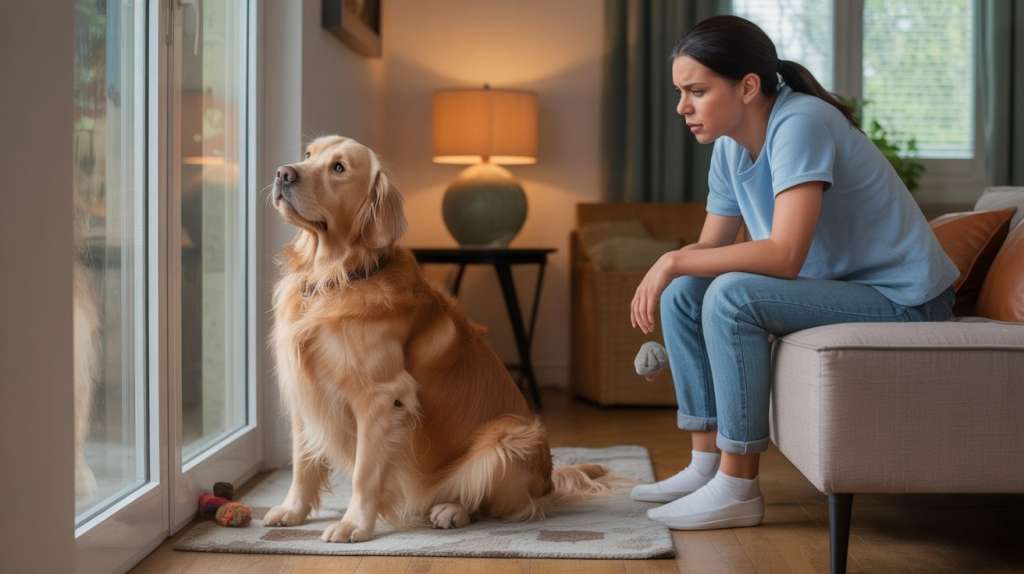
If you have ever come home to a chewed sofa, scratch marks on the door, or a pet that shakes the moment you pick up your keys, you already know what separation anxiety looks like. It is distressing for the animal and exhausting for the owner. More pet parents are now turning to natural approaches because they want solutions that actually address the root cause without sedating their animals. Consulting the veterinary homeopathy treatmentd is one of the most meaningful steps a concerned pet owner can take, because homeopathy works with the individual temperament of the animal rather than just suppressing its symptoms.
Separation anxiety in pets, especially dogs, is far more common than most people realise. Studies suggest that roughly 17 to 20% of dogs in India show signs of separation-related behaviour problems. The issue is not a character flaw in the animal. It is a genuine emotional response driven by fear, attachment, and in some cases, past trauma.
This article walks through what separation anxiety actually looks like in pets, why it develops, and how homeopathic remedies offer a safe and effective path toward lasting calm.
Understanding Pet Separation Anxiety: More Than Just Bad Behaviour
A lot of pet owners initially assume their dog or cat is being naughty when left alone. The reality is that animals experiencing separation anxiety are in genuine distress. Their nervous system is in a heightened state of alert the moment they sense their owner is about to leave.
Common signs of separation anxiety in pets include:
• Excessive barking, howling, or whining shortly after the owner leaves
• Destructive behaviour such as chewing furniture or scratching doors
• Urinating or defecating indoors despite being house-trained
• Trembling, panting excessively, or pacing near exits
• Refusing to eat while the owner is absent, even if food is available
These behaviours often intensify over time if the underlying anxiety is not addressed. Conventional approaches sometimes rely on sedatives or anti-anxiety medications, which carry side effects and do not resolve the emotional root of the problem. Homeopathy takes a fundamentally different approach.
Why Homeopathy Works Well for Animal Anxiety
Homeopathy operates on the principle that like cures like, and that the remedy must match the totality of symptoms in the individual patient. This is as true for animals as it is for people. In fact, homeopathy is particularly well-suited to veterinary use because the placebo objection so often raised against it cannot apply to animals. Pets do not understand that they have been given medicine.
The remedies are also entirely free from the chemical side effects associated with pharmaceutical sedation. A dog on a correctly chosen homeopathic remedy will gradually become calmer, more settled, and more able to cope with time alone, without appearing drugged or lethargic.
It is worth noting that homeopathic treatment for animals requires the same detailed case-taking that human treatment does. The specific fears, the way the anxiety manifests, the temperament of the animal, and even breed tendencies all inform remedy selection. This is why working with an experienced practitioner matters so much.
Key Homeopathic Remedies for Pet Separation Anxiety
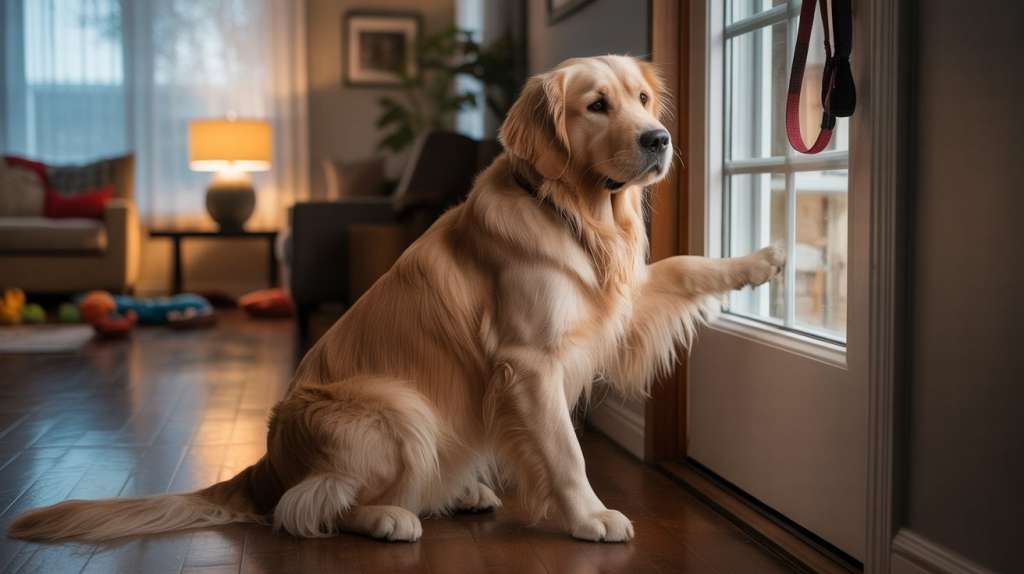
The remedies below are among the most commonly indicated for separation-related anxiety in pets. However, no remedy should be selected in isolation without a proper constitutional assessment. What follows is an educational overview, not a prescription guide.
Pulsatilla: For the Clingy, Emotional Pet
Pulsatilla is one of the first remedies to consider for a pet that is intensely attached to its owner, follows them from room to room, and becomes visibly distressed when left alone. These animals tend to be gentle, affectionate, and highly social by nature.
A Pulsatilla dog will often sit by the door and whine softly rather than become destructive. They crave company and reassurance. The emotional tone is neediness rather than aggression. Symptoms often improve when the animal is given attention and gentle contact.
Phosphorus: For the Fearful, Noise-Sensitive Pet
Phosphorus suits pets that are excitable, highly responsive to their environment, and frightened by loud noises or sudden changes. Separation anxiety in these animals is often compounded by fear of thunderstorms, traffic sounds, or unfamiliar visitors.
These pets tend to be affectionate and enthusiastic when their owner is present but spiral quickly into anxiety when alone. Phosphorus helps calm the overactive nervous system and reduces the intensity of fearful responses over time.
Ignatia: For Anxiety Rooted in Loss or Sudden Change
Ignatia is an important remedy for pets whose separation anxiety developed after a significant change, such as the loss of a companion animal, a change of home, or a shift in the owner’s routine. The emotional state is one of grief and suppressed distress.
These animals may sigh frequently, appear withdrawn, or oscillate between sadness and sudden restlessness. Ignatia addresses the emotional disruption at the root rather than just managing the surface behaviour.
Arsenicum Album: For the Restless, Worried Pet
Arsenicum Album suits pets that are highly anxious, restless, and seem to be in a constant state of worried alertness. These animals may pace endlessly, check on their owner repeatedly, and refuse to settle in one place.
They are often fastidious by nature, sensitive to cold, and may develop digestive symptoms such as vomiting or loose stools alongside their anxiety. Arsenicum Album works by calming the deep insecurity that drives this restless behaviour.
Stramonium: For Panic and Intense Fear Responses
When separation anxiety crosses into full panic, with the animal becoming destructive, howling relentlessly, or showing signs of intense terror, Stramonium may be indicated. This remedy addresses the most acute, fear-driven states and can be particularly useful for animals with a history of neglect or abuse.
The Role of Constitutional Homeopathic Treatment
Choosing a single acute remedy during an episode of anxiety can provide relief, but lasting change comes from constitutional treatment. This means selecting a remedy that matches the overall physical and emotional pattern of the individual animal, not just the presenting behaviour.
A constitutional approach requires a thorough consultation where the practitioner gathers detailed information about the animal’s breed, temperament, physical health history, eating habits, sleep patterns, social behaviour, and the specific nature of the anxiety. This depth of case-taking is what sets skilled homeopathic practice apart from generic or self-prescribed remedies.
Pets treated constitutionally over a period of weeks tend to show progressive improvement, with fewer episodes of panic, better ability to self-soothe, and a generally more settled disposition. The results are gradual but genuinely transformative when the right remedy is identified.
Supporting Homeopathic Treatment with Behavioural Changes
Homeopathy works most effectively when paired with consistent changes in how the owner manages departures and returns. The following practical steps complement the remedies and help the animal build a healthier relationship with solitude.
• Desensitise departure cues: Pick up keys, put on shoes, or grab a bag without leaving. Repeat often so these cues lose their anxiety-triggering power.
• Keep arrivals and departures calm: Avoid lengthy goodbyes and excited greetings, both of which reinforce the emotional intensity around the owner’s absence.
• Create a secure rest space: A dedicated, comfortable spot that the pet associates with calm can reduce generalised anxiety over time.
• Increase predictability: Pets feel safer when routines are consistent. Fixed feeding times, walk schedules, and sleep times all reduce background anxiety.
• Adequate exercise: A physically tired dog is a calmer dog. Sufficient daily movement reduces the physiological stress load that feeds anxiety.
When to Consult a Homeopathy Doctor for Your Pet
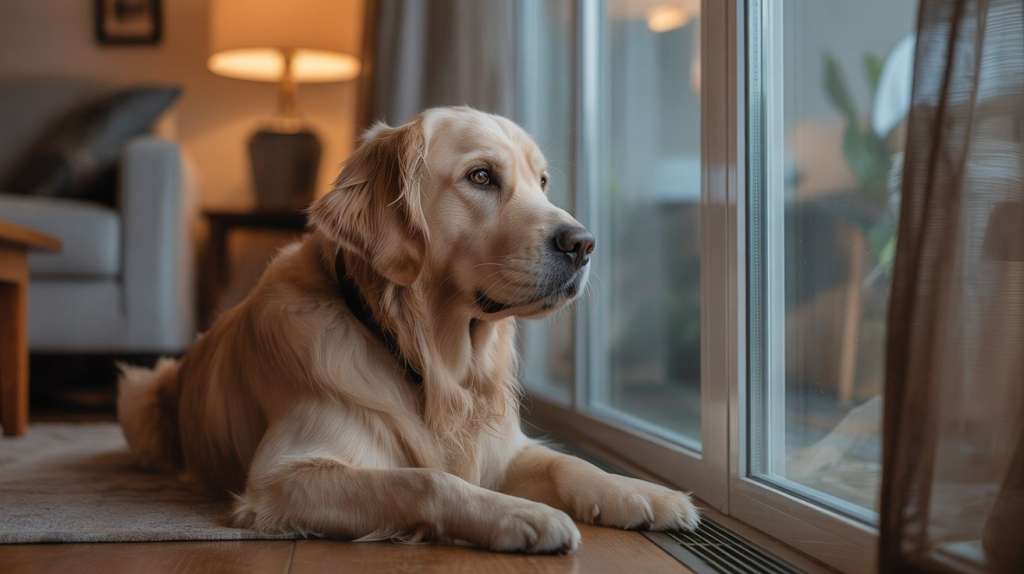
If the anxiety is mild and episodic, a few well-chosen acute remedies may provide noticeable relief. But when the problem is longstanding, severe, or affecting the animal’s physical health through poor appetite, skin issues, or recurrent infections, professional guidance becomes necessary.
Pet owners in and around Hyderabad can seek expert homeopathic support through homeopathy doctors in Malkajgiri who are experienced in treating animals with individualised constitutional care. The proximity of experienced practitioners means pet owners do not have to travel far to access treatment that is genuinely tailored to their animal’s specific state.
Online consultations are also available for those who prefer remote guidance. A skilled practitioner can gather the necessary case information through a detailed questionnaire and follow-up conversation, making expert homeopathic care accessible regardless of location.
What to Expect During a Homeopathic Consultation for Your Pet
Many pet owners are unfamiliar with what a homeopathic consultation involves for animals. The process is thorough and begins long before a remedy is prescribed.
A typical consultation covers:
• Detailed history of when the anxiety began and what may have triggered it
• The specific behaviours displayed during anxious episodes
• General physical health, including diet, digestion, skin, and coat condition
• Sleep patterns, social behaviour with other animals and people
• Any previous treatments and their effects
This information allows the practitioner to identify the most suitable remedy with precision. Follow-up appointments track progress and allow for remedy adjustments as the animal’s state evolves. The process is collaborative and gentle throughout.
Conclusion
Pet separation anxiety is a real and often underestimated problem that deserves thoughtful, targeted treatment. Homeopathy offers a safe, side-effect-free path toward genuine emotional healing for animals, working with their individual nature rather than simply suppressing distressing behaviour.
Whether the anxiety is mild and situational or deep-rooted and chronic, the right homeopathic approach, guided by experienced hands, can make a remarkable difference to the quality of life of both the pet and its owner. Connecting with the veterinary homeopathy treatment gives you access to that kind of personalised, constitutional care.
Art of Homeo provides comprehensive homeopathic care for both humans and animals, with experienced practitioners who understand how to approach each case with the depth and individualisation it deserves. If your pet is struggling with anxiety and you are looking for a natural, lasting solution, reach out to veterinary homeopathy treatment or book an online consultation today at www.artofhomeo.com to begin the journey toward a calmer, happier animal.
Frequently Asked Questions
1. Can homeopathy really help pets with separation anxiety?
Yes, homeopathy can be very effective for pets with separation anxiety because remedies are selected based on the individual animal’s emotional and physical profile, addressing the root cause of fear rather than just managing surface behaviours.
2. How is the right homeopathic remedy chosen for my pet?
A qualified practitioner gathers detailed information about the pet’s temperament, the nature of its anxiety, physical health, and history before selecting a constitutional remedy that matches the totality of the animal’s symptoms.
3. Are homeopathic remedies safe for dogs and cats?
Homeopathic remedies are completely safe for dogs, cats, and other animals as they contain no chemical compounds and carry no risk of toxicity, making them a gentle and side-effect-free alternative to pharmaceutical sedatives.
4. How long does it take for homeopathic treatment to show results in pets?
Most pets show noticeable improvement within 4 to 8 weeks of beginning constitutional homeopathic treatment, with progressive calming of anxiety responses and fewer episodes of distress as the correct remedy takes effect.
5. Where can I find the best homeopathy doctor in Hyderabad for pet treatment?
You can consult the veterinary homeopathy treatment for pet separation anxiety through Art of Homeo, which offers both in-clinic appointments and online consultations for personalised, constitutional homeopathic care at The Art Of Homeopathy